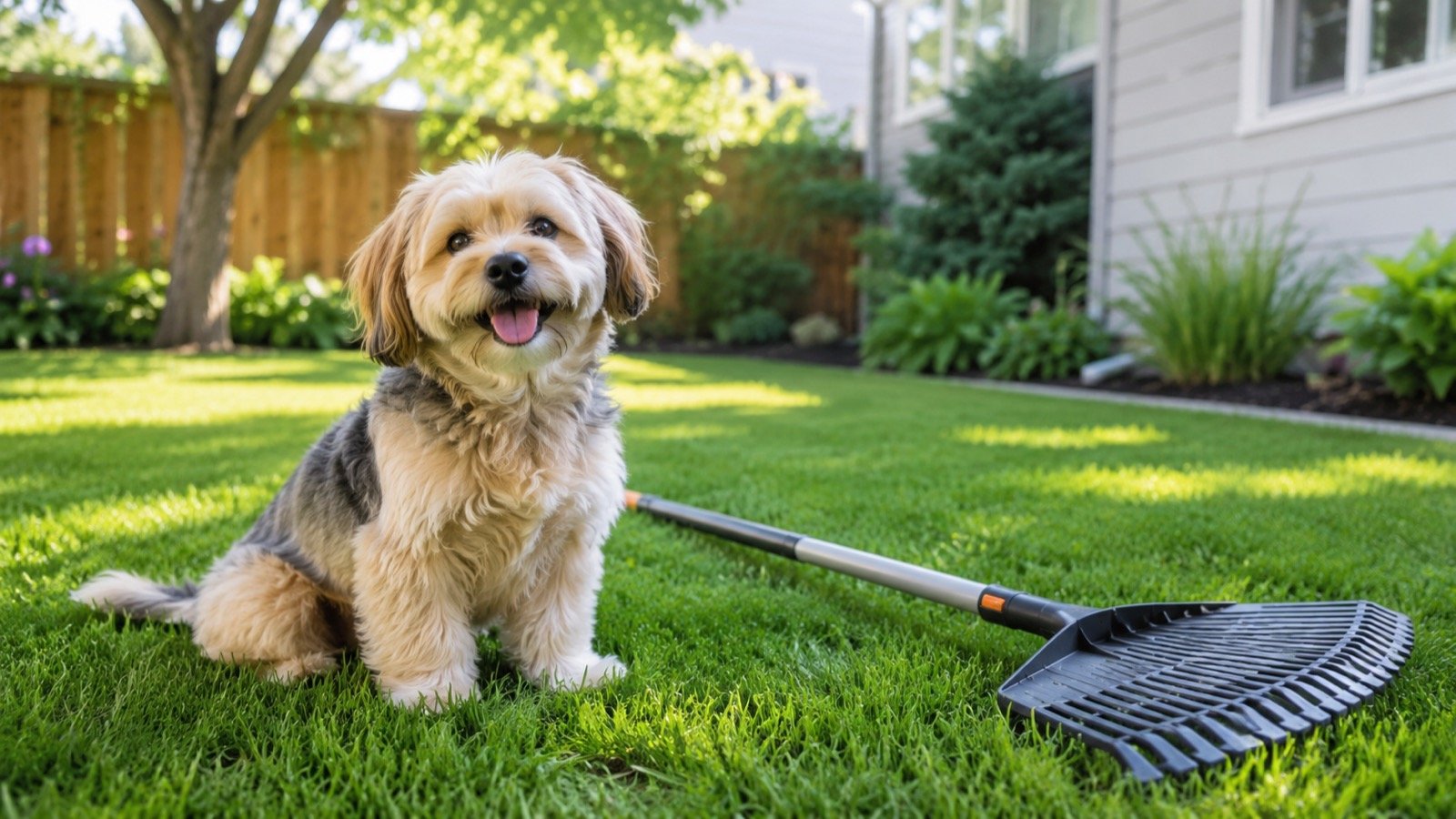

Pooper Scooper Lawn Care: Protect Your Yard in 2026
Your lawn and your dog can coexist beautifully, but only if waste never gets a chance to sit. A pooper scooper is the unsung hero of healthy turf, and in 2026 more homeowners are realizing that daily pickup does as much for their grass as fertilizer or watering. This guide explains how dog waste damages a lawn, how smart scooping reverses that damage, and how to build a yard-care routine that keeps both your dog and your grass thriving.
Many owners assume dog waste acts like manure and feeds the lawn. It does the opposite. Dog diets are high in protein, so their waste is acidic and nitrogen-heavy, which scorches grass into yellow and brown patches instead of greening it.
How Dog Waste Damages a Lawn
When waste sits on turf, the concentrated nitrogen burns the root zone directly beneath it. Rain then spreads dissolved nutrients and bacteria across a wider area, creating uneven growth and bare spots that weeds love to invade.
There is a runoff problem too. The U.S. Environmental Protection Agency lists pet waste among the nonpoint sources that carry bacteria into local waterways, which means a messy lawn is not just an eyesore but a small pollution source. Prompt cleanup with a reliable Pooper scooper stops that cycle before it starts.
The hidden timeline of damage
Lawn harm is not instant, but it compounds fast. Knowing the rough timeline helps you see why daily scooping beats a weekly blitz.
| Time Left on Lawn | Effect on Grass | Reversibility |
|---|---|---|
| Under 24 hours | Minimal, surface only | Fully reversible |
| 2 to 4 days | Yellowing begins | Mostly reversible |
| 1 to 2 weeks | Brown burn patches | Needs reseeding |
| Over 1 month | Bare, compacted soil | Full repair needed |
Building a Lawn-Friendly Scooping Routine
Consistency beats intensity. A quick daily sweep removes waste before nitrogen leaches into the soil, and it keeps the job from ever becoming overwhelming. Pair your scooper with strong containment so collected waste never leaks on the way to the bin.
Use heavy duty garbage bags for multi-dog households or weekly yard clears, since lighter bags tear under the load and undo all your careful work.
Steps that protect your turf
- Scoop every morning, ideally before the sun dries the waste onto the grass.
- Rinse any lingering residue with a watering can to dilute nitrogen.
- Rotate your dog’s bathroom spot to avoid repeat burn in one area.
- Overseed thin patches each spring and fall.
- Keep the scooper clean so you never skip a day out of dread.
Can You Repair a Lawn Already Damaged by Dog Waste?
Yes, and the fix is usually simpler than people expect. Start by removing all waste and raking out the dead grass from affected patches. Loosen the compacted soil, add a thin layer of fresh topsoil, and overseed with a turf type suited to your region.
Water the repaired spots lightly but often until new grass establishes. Cornell University’s turfgrass program notes that consistent moisture and proper seed-to-soil contact drive successful lawn recovery (see Cornell Turfgrass). Within a few weeks, most burn spots blend back into healthy lawn.
When to call for help
If damage covers large sections or keeps returning, it may be time to bring in trusted professionals who can assess soil health and set up a maintenance plan that keeps waste and burn under control.
Everyday Habits That Keep Grass Green
Beyond scooping, a few small habits make a visible difference. Mow at the higher end of your grass type’s range so longer blades shade the soil and resist burn. Water deeply but less often to encourage strong roots that recover faster from stress.
Keep your pooper scooper hanging near the door so cleanup is frictionless. The easier the tool is to grab, the more likely you are to use it daily, and daily use is the real secret to a green, waste-free yard.
A Season-by-Season Lawn and Waste Calendar
Your lawn’s needs shift through the year, and so should your cleanup habits. Aligning scooping and turf care with the seasons keeps grass resilient and waste from ever gaining the upper hand. A simple calendar turns reactive cleanup into a proactive routine.
Spring and summer
Spring is repair season. As the ground thaws and grass wakes up, clear any waste left from winter, rake out dead patches, and overseed thin spots so new turf fills in before summer heat. Through summer, scoop daily or twice daily, because warmth accelerates both odor and lawn burn.
Water deeply in the early morning so grass handles midday stress, and rinse your dog’s favorite bathroom zones to dilute concentrated nitrogen. Longer mowing heights shade the soil and help grass resist burn during peak heat.
Fall and winter
Fall is your second overseeding window and the best time to strengthen roots before dormancy. Keep scooping daily, since cooler soil still suffers from waste buildup. Aerate compacted areas so water and nutrients reach the roots.
In winter, pick up immediately before waste freezes to the ground, and avoid letting piles hide under snow until spring. A quick cold-weather sweep prevents the massive thaw cleanup that damages turf and sends bacteria into runoff.
- Spring: clear winter waste, rake, overseed, repair burn.
- Summer: scoop twice daily, water early, mow high.
- Fall: overseed again, aerate, keep daily pickup.
- Winter: immediate pickup, no buried piles.
Following this rhythm keeps your lawn ahead of the damage curve all year. Each season’s small, consistent effort compounds into turf that stays thick, green, and able to shrug off the wear of an active dog.
Frequently Asked Questions
Does dog waste actually fertilize grass?
No. Unlike cow or horse manure, dog waste is too acidic and nitrogen-rich, so it burns grass and introduces harmful bacteria rather than feeding the soil.
How soon should I scoop to avoid lawn burn?
Remove waste within 24 hours whenever possible. At that point the damage is only surface deep and the grass almost always bounces back without reseeding.
Will watering the spot prevent burn?
Light rinsing right after pickup helps dilute the nitrogen and reduce burn, but it is a backup to prompt scooping, not a replacement for removing the waste.
What type of grass handles dog traffic best?
Tough, fast-recovering species like Kentucky bluegrass, perennial ryegrass, and Bermuda grass tolerate dog use better than delicate fine fescues in most climates.
Final Thoughts
A healthy lawn in 2026 starts with a simple tool and a steady habit. Reach for your pooper scooper every day, contain waste in strong bags, and give damaged patches a little repair attention, and your grass will stay green no matter how active your dog is. Grab a durable scooper and bag kit today and give your yard the daily care it deserves.